Water removal
Remove accessible water from the rooms and levels involved, then note where it crossed thresholds or moved downward.
Grand Rapids property alert
Frozen pipe? Sump failure? Roof leak? Appliance overflow? The strongest restoration plan follows the whole loss—from source and standing water through drying, cleanup, documentation, and repairs.
Call restoration + recovery (616) 280-4048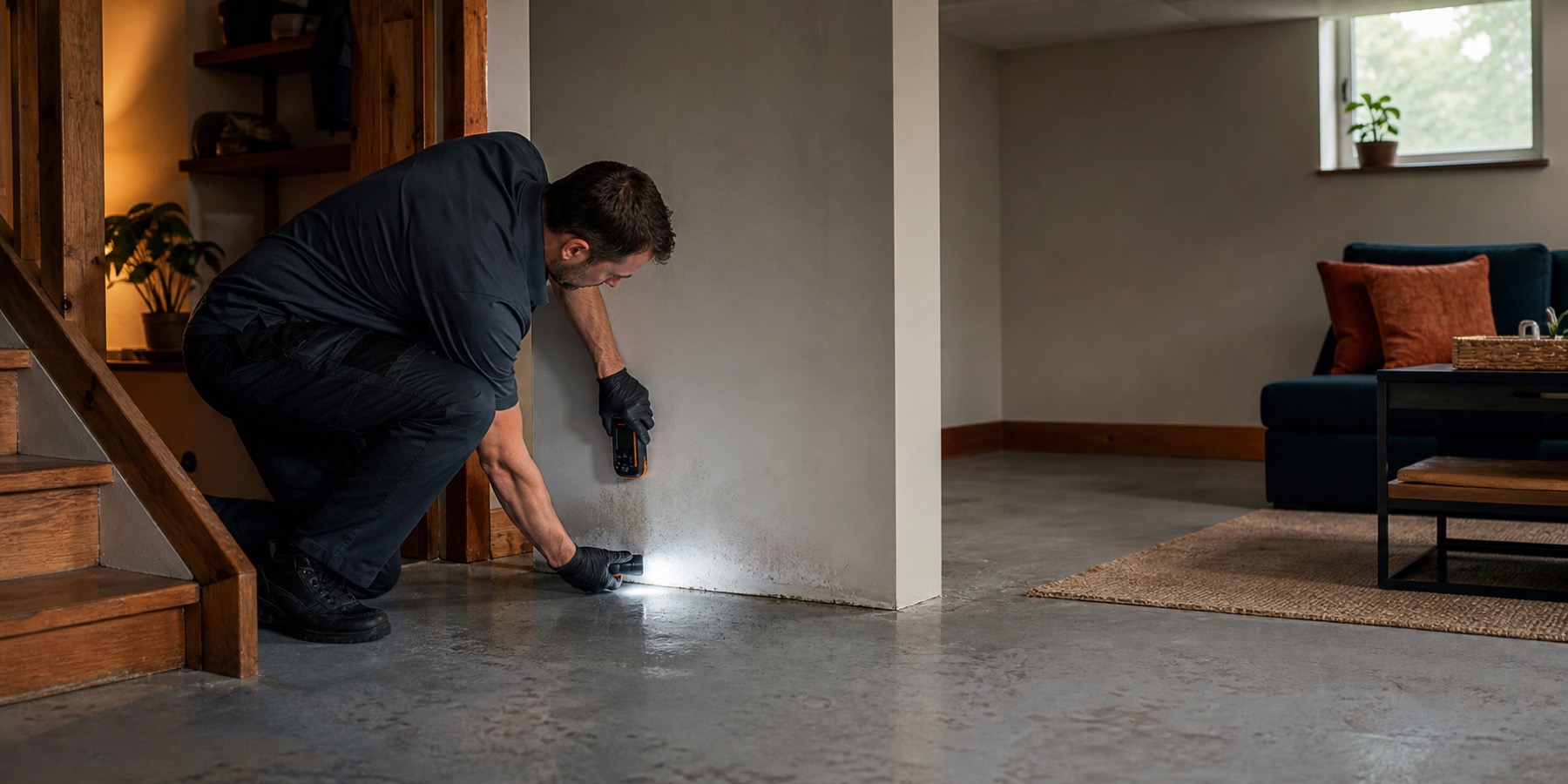
Recovery coverage
Remove accessible water from the rooms and levels involved, then note where it crossed thresholds or moved downward.
Check lower walls, floor layers, cabinet bases, basement assemblies, and nearby rooms for moisture left behind.
Match air movement and dehumidification to the materials, access, and changing readings found at the property.
Plan surface cleanup around the source and condition of the water, not a generic wipe-down.
Compare material condition, contamination, access, and drying progress before deciding what can stay.
Carry documented conditions into repair planning so the next trade is working from the same scope.
The better-business scoreboard
Visible water removal matters. So do moisture readings, connected spaces, material decisions, documentation, and a clear handoff toward repairs.
Call now (616) 280-4048Recovery rundown
Start with the source, discovery, shutoff, rooms and levels involved, and the visible changes since the loss began.
Use readings and visual clues to follow water through floor systems, wall bases, basements, and connected rooms.
Connect extraction, protection, equipment, cleaning, and monitoring to the actual affected area.
Review drying results, document material decisions, and prepare a clear repair handoff.
Insurance coordination
Photographs, room-by-room condition notes, moisture information, material decisions, and a clear mitigation scope can help an adjuster understand the loss. The restoration team can organize that record and communicate with the carrier when requested; policy coverage, deductibles, approvals, and payment remain the carrier’s decisions.
Serving Grand Rapids, MI
Calls may involve frozen pipes, sump-pump failures, basement water, snow or ice-related entry, roof leaks, and appliance failures. The source, exposure, affected materials, and moisture conditions shape the work.
Call now (616) 280-4048Help desk
Act as soon as it is safe. Water can keep moving into flooring systems, wall bases, cabinets, insulation, contents, and rooms below after the visible flow stops. Keep people away from wet electrical areas, sagging ceilings, unstable materials, or contaminated water; stop the source only if it is safely accessible; photograph conditions; and call to confirm current response availability.
Many property policies cover sudden and accidental water damage, while exclusions may apply to flooding, long-term leakage, maintenance problems, or other causes. Coverage depends on the policy and circumstances. Notify the carrier promptly and ask about emergency mitigation, documentation, deductible, and approval requirements.
The restoration team can help organize photographs, moisture or condition information, affected-material details, and the restoration scope, and can coordinate with an adjuster when requested. The insurance carrier controls coverage, approvals, deductibles, and payment under the policy.
Accessible water removal may happen relatively quickly, but structural drying often continues for several days. Concealed moisture, difficult access, contamination, material removal, contents work, and reconstruction can extend the schedule. Actual moisture readings and property conditions should guide the timeline instead of a preset promise.
The scope depends on the source, exposure time, affected square footage, rooms and levels involved, contamination concerns, access, equipment, salvageable materials, necessary removal, contents, and repairs. A useful estimate should connect each cost to documented conditions rather than force every property into one package.
Water can follow seams, framing, plumbing penetrations, subfloor layers, insulation, wall cavities, cabinet bases, and gravity paths into adjoining spaces. Staining, swelling, lifting flooring, soft materials, or odor can be clues, but moisture inspection helps define what is actually affected.
Sometimes. Material type, water source, exposure time, contamination, physical condition, finish, and accessibility all matter. Early assessment can improve the chance of drying or cleaning suitable materials, but items that cannot be made appropriately dry and clean may require removal or replacement.
Grand Rapids property owners may encounter snow and ice-related entry, frozen pipes, basement or sump-pump water, roof leaks, and appliance failures. Those scenarios do not determine the scope by themselves, but they help explain where water may have traveled, which materials deserve attention, and what information should be documented first.
Final call